Business · REPORTING
Bill Simmons ends The Ringer's ChatGPT sponsorship after listener backlash, Bloomberg reports
Bloomberg reported on November 12 that Simmons ended the deal after listeners disliked the AI segments. The advertiser spend behind it is large.
Published
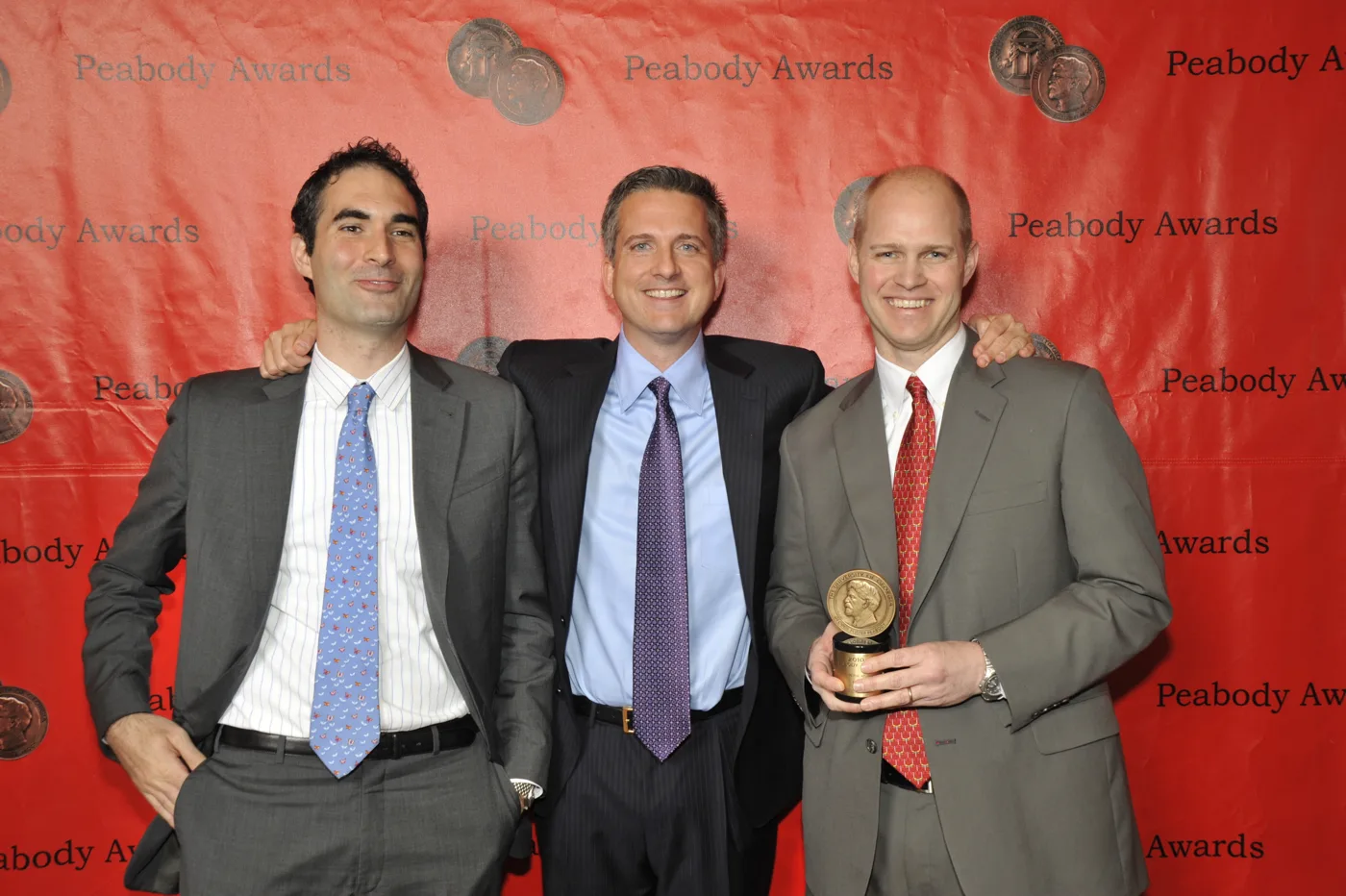
Bill Simmons has ended The Ringer's ChatGPT sponsorship after listeners pushed back, Bloomberg first reported on November 12. TheWrap, The A.V. Club and Quartz relayed the story.
The AI segments ran on The Bill Simmons Podcast and The Ringer Fantasy Football Show. On The Rewatchables, the sponsor read took the form of hypothetical Roger Ebert film reviews.
Simmons told Bloomberg that "this time we learned almost immediately that those segments weren't a fit for us" and that "our audience just didn't like them."
The staff said it first
The reporting also surfaces dissent inside the building. Sean Fennessey said on Talk Easy in August, "I don't like it. I've told Bill I don't like it." Amanda Dobbins answered, "Oh, brother," and said it was "not my decision level."
I give Simmons credit for pulling it. Plenty of hosts would have waited out the complaints. But notice the order of events. His own colleagues said they disliked it months before the audience forced the issue.
A lot of money behind it
Quartz relays Podscribe estimates, from Bloomberg, that OpenAI spent about $11.2 million on podcast ads over three months, up 600 percent year on year. Anthropic is estimated at $2 million. Together that is more than $13 million.
That is the part that matters. My argument is that spend on this scale does not disappear when one show walks away. It may simply go to a show that will say yes. That is a possibility, not something the reporting shows. The Ringer's audience said no.
Everyone else's mileage varies
Quartz, relaying Bloomberg, reports that Ashley Flowers deleted an Instagram post about relying on AI. Mel Robbins posted about Copilot and drew angry comments. Joe Rogan, Theo Von and Ben Shapiro read Perplexity spots without much objection.
The Rest Is History advertises Claude. The reports I read describe no backlash there.
My read: listeners do not hate AI ads, they hate AI ads that interrupt a show they love. Hypothetical Ebert reviews in a film podcast are exactly that. A flat read of a product claim apparently is not.
What it means
Podcast hosts sell trust, and the sponsor sits on top of it. When the sponsor starts doing the host's job, the audience notices fast. That is the useful lesson here, and it is a cheap one for The Ringer.
Whether the next AI company gets a better format is the real question. With this much money chasing the category, someone may try.